
How to Build Emotional Resilience As An Adult
Life has a funny way of surprising everyone. Sometimes things go smoothly, and everything feels on track, and sometimes a small moment can shake the entire mood. It could be stress at work, pressure from family, unexpected problems or simply a day that feels a bit too heavy. Since life will always throw challenges, the real strength comes from how a person responds to them. This ability to rise again, stay consistent and keep moving forward is known as emotional resilience.
Many people believe resilience is something only strong or naturally confident people have. Tbh, that is not true at all. Emotional resilience is a skill that anyone can build. Moreover, it is something that grows with practice, small daily habits and the right mindset. The whole vibe of resilience feels like choosing strength even when things feel confusing or overwhelming. It is not about pretending to be okay. It is about learning how to recover faster, think clearer and feel grounded again.
The good news is that resilience is not a personality trait someone is born with. It is a skill that can be learned, improved and strengthened day by day. In this blog, I will tell you how to build emotional resilience in daily life, using simple steps that can fit into any routine.
What Emotional Resilience Really Means

Emotional resilience means being able to handle challenging and tough times, stay calm, and bounce back when something difficult happens. It is your inner strength that helps you keep going even when life feels hard. It does not mean avoiding problems or never feeling sad. Resilient people also feel overwhelmed sometimes. The difference is that they bounce back more easily because they have developed ways to manage emotions and view situations in a more balanced way.
A resilient person:
Handles stress without shutting down completely
Look for solutions instead of getting stuck in fear
Believes that challenges are temporary
Learns lessons from tough moments
Trusts that better days are possible
Although every person deals with problems differently, resilience creates a solid inner foundation. This foundation becomes a personal safety net during difficult times.
Also Read: How to Build Self-Trust and Keep Promises to Yourself
Best Ways to Build Emotional Resilience
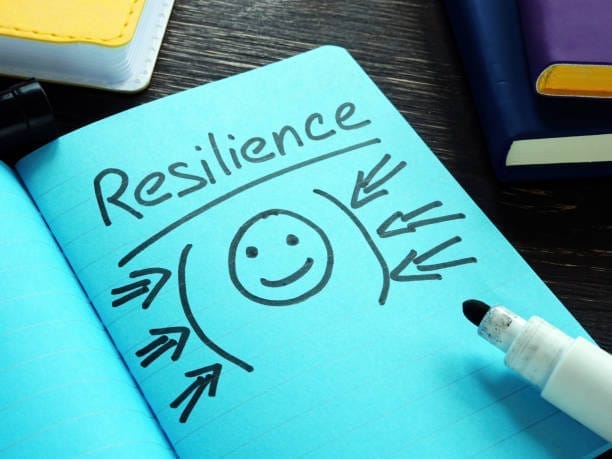
Let’s discuss some of the best ways to build emotional resilience.
Find Meaning and Purpose in Your Daily Life
Having a sense of purpose gives direction, especially when life feels messy. Purpose does not have to be huge. It can be something simple that brings meaning or contributes to something bigger.
Examples of everyday purpose:
Helping family or loved ones
Taking care of health
Creating art, music or writing
Supporting a community or cause
Growing spiritually or mentally
When challenges hit, your purpose helps you stay strong. It reminds you why your life is important. Your purpose also gives you motivation, so you can keep going and not give up.
Strengthen Belief in Your Own Abilities
Confidence plays a major role in emotional resilience. When someone believes they can handle difficult situations, their mind automatically becomes calmer and more focused on solutions. On the other hand, constant self-doubt makes challenges feel scarier than they are.
A helpful daily practice is replacing negative inner comments with supportive ones. For example, rather than thinking something like this is too hard, shifting the thought to something like this can be handled and it will change the whole mindset.
Moreover, acknowledging personal strengths, achievements and past victories makes a big difference. Everyone has moments where they overcame something once thought impossible. Reminding the mind of these moments boosts inner strength.
Build a Supportive Social Network

Humans are not made to deal with everything alone. Even the strongest person needs a connection. A healthy support network can include friends, family, mentors, colleagues or anyone who genuinely listens and cares.
A support system helps because:
Talking about a problem reduces emotional pressure
Different perspectives help with clearer thinking
Emotional comfort increases motivation
Feeling supported decreases loneliness
The vibe of sharing honestly with someone trustworthy can be incredibly healing. Although others cannot solve problems completely, having company on the journey makes difficult moments feel lighter.
Learn to Accept and Adjust to Changes
Life never stays the same. Change is natural and sometimes it arrives without warning. Developing flexibility makes it easier to adjust when plans fall apart or situations shift unexpectedly.
Resilient people see change as a chance to grow, not a threat. This mindset takes time, but small steps help. For example, trying new routines, exploring different solutions or being open to learning new skills all build emotional flexibility.
In my opinion, adaptability is one of the most powerful resilience skills because it teaches the mind to stay calm even when the situation is unpredictable.
Practice Optimism and Notice the Good
Optimism is not about pretending everything is perfect. It means believing that problems can improve and better days are possible. This mindset gives hope even in difficult moments.
A simple way to build optimism is to pay attention to small positive moments each day. For example, enjoying a peaceful walk, having warm tea, receiving a kind message or even watching the sunset can shift the emotional vibe. Tbh, optimism does not ignore reality. It simply balances the negative with positive possibilities.
Take Care of Your Body and Mind

Self-care is one of the most underrated parts of emotional resilience. When the body is exhausted or overloaded, the mind becomes more sensitive to stress. Healthy habits create a strong base for emotional strength.
Helpful self-care practices:
Sleeping enough
Eating balanced meals
Staying hydrated
Exercising lightly or regularly
Taking breaks when needed
Doing something enjoyable daily
Moreover, nurturing emotional needs through journaling, meditation, hobbies or relaxation also boosts resilience. Self-care increases energy and makes stressful moments easier to handle.
Develop Problem-Solving Skills
When a person knows how to break challenges into smaller parts, stress becomes more manageable. Problem-solving builds confidence and reduces fear.
A practical method:
Identify the real issue
Write down possible solutions
Choose one small step to start
Test and adjust as needed
This approach helps avoid overthinking and encourages action.
Set Realistic Goals and Break Them Down

Big challenges often feel overwhelming. Smaller steps make things doable. Setting goals and dividing them into manageable parts helps the mind stay focused and reduces stress.
For example, instead of planning to fix everything at once, choosing one small action each day builds progress without pressure. Moreover, every small win increases motivation and confidence.
Take Action Instead of Avoiding the Issue
Avoiding a problem usually increases anxiety. Taking action, even a small one, restores a sense of control. It shifts the mind from feeling helpless to feeling capable.
This can be something simple like making a phone call, organizing paperwork, asking someone for help or doing one practical step toward a solution. Action creates momentum, and momentum builds emotional strength.
Keep Practicing These Skills Daily
Resilience grows stronger over time. It is not a fixed quality. Some days will feel easier, and some days will feel heavy. However, consistent practice helps build inner strength.
Moreover, everyone builds resilience differently, and that is completely okay. The goal is not to become perfect. The goal is to handle life with more balance, awareness and courage than before.
FAQs
Yes. Emotional resilience is a set of skills, not a fixed personality trait. Anyone can build it through daily habits like self-awareness, healthy routines, problem-solving, and emotional support.
It varies for every person. Some people feel changes within a few weeks, while others take more time. Consistency matters more than speed.
No. Emotional resilience involves acknowledging emotions, not suppressing them. The key is learning how to process feelings in a healthy way.
Chronic stress, negative self-talk, lack of support, poor sleep, unhealthy habits and avoiding problems can weaken resilience.
Yes. A health coach provides personalized strategies, accountability, and guidance to build strong mental habits, reduce stress, and improve emotional well-being.
Conclusion
Emotional resilience is not about being unbreakable. It is about learning how to recover, adjust and stay grounded even when life feels unpredictable. These skills can help anyone stay calm, think clearly and bounce back from stressful moments faster.
If emotional balance feels difficult to maintain or daily stress feels overwhelming, this is exactly where a health coach can support the journey. A professional health coach helps create healthier routines, shift mindset patterns, manage stress and develop resilience through personalized guidance. Support like this often becomes the missing piece that helps people feel stronger, calmer and more confident in their ability to handle life.
For anyone looking to build emotional strength in a practical and supportive way, you can contact me, and as a health coach, I can help you through this journey.
With Love,
Pempi 💖

Hi, I'm Pempi…
I am a Certified Health Coach, and I help women develop walking habits that feel natural and sustainable - the kind that last years, not weeks.
You can also book individual sessions or shop my current healthy habit programs.
Let me support you. 💖


Join my Tribe