
Habit Psychology: How to Make Good Ones Stick
Habits change life more than most people realize. The way a person starts the day, spends their free time, and even reacts to stress is heavily influenced by habits. Success, health, happiness, and productivity are all connected to the routines people follow. We can say that the life we are living today is the sum of our daily habits.
Understanding how habits work can help anyone make better choices, stick to positive routines, and eliminate harmful ones. In this blog, I will tell you about habit psychology and will also share the practical ways to create habits that last.
How Habits Work: The Habit Loop
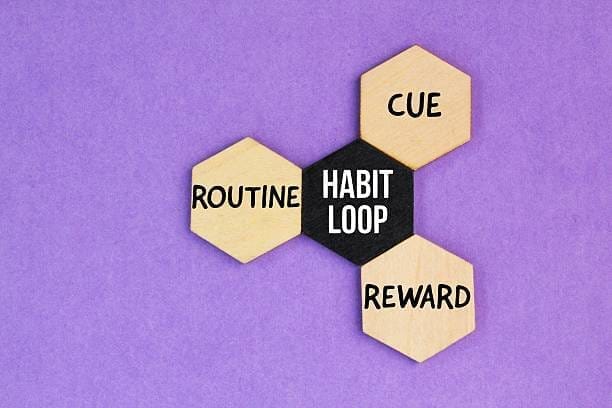
Habits form through a simple but powerful process called the habit loop. This loop has four stages: cue, craving, response, and reward. Each habit goes through these steps in the same order every time.
1. Cue
The cue is basically a trigger that tells the brain to start a habit. It can be something in the environment, a time of day, or an internal feeling. For example, seeing a coffee cup may trigger the habit of drinking coffee, or finishing a workout may trigger a shower.
2. Craving
The craving is the desire for the change the habit provides. People do not crave the habit itself but the reward it brings. For instance, it is not the coffee that is craved but the feeling of alertness and energy it provides.
3. Response
The response is the action performed. Whether it is physical or mental, the response depends on motivation and ability. If the action is too difficult or time-consuming, it is less likely to occur.
4. Reward
The reward satisfies the craving and teaches the brain to repeat the behavior. Rewards can be physical, like food or rest, or emotional, like pride or satisfaction.
The Four Laws of Behavior Change
For making habits stick, the four laws of behavior change can be applied. These laws act as levers to shape behavior. When applied correctly, building good habits becomes much easier.
1. Make It Obvious
The first law of habit psychology focuses on the cue. If the cue is hidden or unclear, the habit may not start. For example, placing running shoes where they are easily seen in the morning can encourage a walk or jog. Clear cues remind the brain to perform the desired action.
2. Make It Attractive
The second law of habit psychology relates to craving. Habits are more likely to form when they are appealing. Pairing a habit with something enjoyable increases motivation. For instance, listening to a favorite podcast while walking or drinking a flavored tea after stretching can make the habit more attractive.
3. Make It Easy
The third law of habit psychology focuses on how we respond. When we reduce effort and remove obstacles, habits become much easier to do. For example, laying out your workout clothes the night before saves time and makes exercising more likely. In the same way, keeping healthy snacks nearby helps you choose better food without extra effort.
4. Make It Satisfying
The fourth law of habit psychology deals with reward. A habit is more likely to repeat when the outcome feels satisfying. When you track your progress, celebrate small wins, or enjoy the good feeling that comes after finishing a task, it motivates you to keep going. These rewards help make the habit stick.
Breaking Bad Habits

The same four laws can be inverted to break bad habits.
Make it invisible: Remove the cues that trigger unwanted behavior, like keeping unhealthy snacks out of sight.
Make it unattractive: Try to focus on the negative consequences of the habit. Understanding the damage caused by unhealthy habits reduces desire.
Make it difficult: To stop a bad habit, make it harder to do. For example, keep your phone in another room. When it is not nearby, you are less likely to scroll for a long time.
Make it unsatisfying: Reduce or remove the reward associated with the habit. Tracking negative outcomes can make the habit less appealing.
Practical Steps to Build Good Habits
Creating new habits does not have to be overwhelming. The following strategies can help you build good habits and also in making habits stick.
Start Small and Be Specific
Big goals can feel intimidating, which makes it hard to start. Instead, focus on small, manageable habits. For example, rather than saying you will exercise more, decide to walk for ten minutes every morning. These small successes build confidence and help you keep going.
Use Habit Stacking
Habit stacking usually means adding a new habit to something you already do every day. For example, you can drink a glass of water after brushing your teeth or write in a journal after your morning coffee. Since the old habit is already part of your routine, it becomes easier to remember and follow the new habit too.
Make the Environment Supportive
Surroundings have a powerful influence on behavior. Keeping healthy foods visible, workout clothes within reach, and distractions removed, it becomes much easier to follow good habits.
Track Progress
Tracking your habits makes it easier to stick with them. You can use a journal or a habit tracker to see how you are doing. When you notice your progress, it motivates you and helps the habit become a natural part of your day.
Use the Two-Minute Rule
Starting with a habit that takes only two minutes reduces resistance. For instance, reading one page of a book, meditating for two minutes, or doing two push-ups. Over time, these small habits naturally expand.
Reward Yourself
Positive encouragement helps habits stick. Celebrate small achievements by noticing your progress or giving yourself a healthy reward. When habits feel good, your brain is more likely to repeat them.
Also Read:How To Develop a Growth Mindset
Common Mistakes to Avoid

Building habits is easier when common pitfalls are avoided:
Trying to change too much at once: Focus on one habit at a time.
Ignoring the environment: Surroundings can either make habits easier or more difficult to keep.
Relying on motivation alone: Motivation fluctuates. Habit success relies on consistency and structure.
Neglecting rewards: Without satisfying outcomes, habits may fail to stick.
The Role of Consistency
Habits are built through repetition. Consistency matters more than intensity. Regular practice over time rewires the brain, turning actions into automatic behaviors. Missing a day does not undo progress, but getting back on track quickly keeps momentum.
FAQs
Habits usually take around 21 to 66 days to form, depending on complexity and personal factors. Starting small and being consistent helps speed up the process.
While habits cannot always be fully erased, they can be replaced or significantly reduced by changing cues, responses, and rewards.
Consistency is key. Small, repeated actions over time create neural pathways that make habits automatic.
Conclusion
Habits define daily life, but understanding the habit psychology behind them gives control over behavior. By following the habit loop and applying the four laws of behavior change, anyone can build good habits and reduce harmful ones.
Consistency, awareness, and small, practical steps matter more than anything else. Over time, positive habits become effortless, improving health, productivity, and overall well-being.
For anyone looking to develop better habits and make lasting changes, a health coach can offer guidance. Personalized strategies, accountability, and support, help turn intentions into results. If you want help, then contact us today by clicking here to begin building habits that truly stick and create a healthier, more balanced life.
With Love,
Pempi 💖

Hi, I'm Pempi…
I am a Certified Health Coach, and I help women develop walking habits that feel natural and sustainable - the kind that last years, not weeks.
You can also book individual sessions or shop my current healthy habit programs.
Let me support you. 💖


Join my Tribe